1.- A logo was born. For the development of the CRMsDataSpace project brand, we have based ourselves on three concepts:

By combining these three concepts, an icon has been created to symbolise the interoperable platform that will centralise standardised information on critical raw materials (CRMs). The stylised crystals represent critical raw materials recoverable from inactive deposits, and their interconnection emphasises collaboration between member states:

Download the logo creation process

2.- CRMsDataSpace Project was presented at the High-level RFCS Event “European Coal in Transition: from an industrial legend to cutting-edge research for the future” organised by EURACOAL and the European Commission’s Research Executive Agency (REA) (Carbonarium, Jastrzębie-Zdrój, Poland, 15 May 2025).
Download the Agenda of the Event
The conference was hosted by Europe’s largest coking coal company, Jastrzębska Spółka Węglowa S.A., to discuss the challenges facing the coal sector, with a particular focus on the roles of science, technology and engineering in the EU’s green transformation and its raw material supply security.


The Polish Minister of Industry, Marzena Czarnecka, under whose auspices the conference was held, spoke about the need for a responsible transformation of the coal industry in Silesia – a region close to her heart with fantastic people and rich traditions. She welcomed the many women present from a male-dominated industry.
The Director-General for Research and Innovation, Marc Lemaître, thanked the Polish-EU presidency for facilitating the event in Jastrzębie-Zdrój just a few days after Europe Day, on 9 May, to celebrate Robert Schuman’s proposal of 1950 to establish the European Coal and Steel Community for peace and prosperity. Today, he continued, the Research Fund for Coal and Steel supports industrial transition in the coal regions as the EU moves to climate neutrality. The Director-General spoke positively about the range of projects supported at former coal mines and power plants, some reaching a technology readiness level (TRL) of 8. The fund complements the €7.5 billion Just Transition Fund, and here he pointed to the €3.8 billion allocation to Polish coal regions. Mr. Lemaître wished participants a successful event and encouraged applications to the RFCS’s two annual calls, including the “big-ticket” calls under which €36.6 million had been awarded since 2021.

Mr. Marc Tachelet, Director of the European Research Executive Agency, introduced this international conference, which brought together key policymakers, research engineers, and representatives from the coal industry and regions across the European Union. The event, held under the auspices of the Polish Presidency of the European Union, was attended by 200 representatives from the Polish Ministry of Industry, including the Polish Minister of Industry, Marzena Czarnecka, the European Commission, and the European Research Executive Agency, as well as research scientists and industrialists from across Europe.

On behalf of EURACOAL, President Krzemień thanked all the keynote speakers for joining the conference to share their unique perspectives and observations. She was especially delighted that the event was being held under the patronage of the Ministry of Industry and had attracted members of the Polish Parliament (Sejm) as well as many from industry. The aim, she said, was to demonstrate how EU and national funds were being used to make positive impacts in the mining sector.
On EURACOAL, she remarked on the association’s recent strategic shift to focus on “powering transition in Europe”, with tasks on reliable energy, recultivating land, repurposing sites, reducing methane and research for the future. She was pleased that the Vice-Marshall had recognised this precise alignment with EU policy as a positive step. Following a successful conference in 2024 in Oviedo, Prof. Krzemień looked forward to fruitful discussions in Jastrzębie-Zdrój and to the next RFCS dissemination event in 2026.

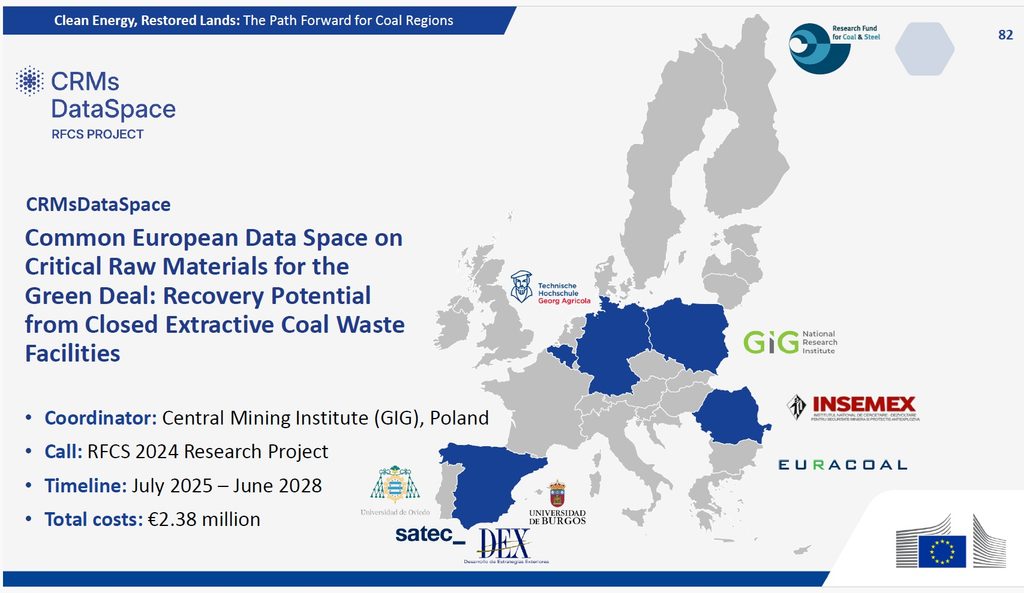
Regarding the Critical Raw Materials Act of 2024, President Krzemień noted that it aims to ensure a sustainable and secure supply of critical raw materials for European industry. In response to this Act, she presented the new RFCS project, CRMsDataSpace, which will survey the extent to which critical raw materials can be recovered from mining waste at tens of thousands of sites across Europe. Member States must establish public databases containing the information needed to support recovery projects. CRMsDataSpace meets that need using the very latest digital tools to deliver a “Common European Data Space”. Once populated with data, project developers can use this database to assess project opportunities.
Sebastiano Fumero, Head of Unit for Future Low Emission Industries at the European Research Executive Agency, thanked JSW for hosting such a splendid and well-run event at the Carbonarium. He recalled that when REA was delegated to manage the RFCS research programme in 2021, he had wanted to see more dissemination events. In 2024, he had been pleased that steel-related projects were presented at an event in Venice and coal-related ones in Oviedo. The conference in Jastrzębie-Zdrój exceeded his expectations with high-level participation from all those with an interest in RFCS projects and the topical issues covered. He especially thanked Alicja Krzemień, Brian Ricketts and Andreas Jenet from REA who had together spent the previous months preparing the event, as well as the professional master of ceremonies, Marcin Madzia.

3.- The CRMsDataSpace Project was showcased at the First International Congress on mine closure management and how it differs from environmental liabilities, organised by Minería y Medio Ambiente Estudio Jurídico Ltda. at the Sheraton Hotel in Bogotá (Bogotá, Colombia, 21-23 May 2025).


4.- The CRMsDataSpace Project was showcased at the 100 years of the Central Mining Institute – National Research Institute Conference on Mining the Future: Sustainable Development and Energy Transformation in the European Union (Katowice, Poland, 2-3 June 2025).


5.- The CRMsDataSpace Project was introduced at the International Workshop on Revitalization of Post-mining Areas organised by the Silesian University of Technology, with two presentations: “CRMs Data Space: Common European Data Space on critical raw materials for the Green Deal – recovery potential from closed extractive coal waste facilities” by Prof. Javier Iglesias Rodríguez and “Hydrometallurgical processes for the recovery of critical raw materials from coal mining waste” by Dr. Antonio Luis Marqués Sierra (Gliwice, Poland, 11 December 2025).
Download the Programme of the International Workshop
Download the first presentation

Download the second presentation

6.- Presentation at the TGK1 & TGK2 – Joint Annual Meeting organised by the European Research Executive Agency (REA) and Subterra at the E.T.S.I. Mines and Energy (UPM) (Madrid, España, 17-18 Mar 2026).

7.- The CRMsDataSpace Project was showcased at the 18th European Economic Congress within the Session Mining of the future (Katowice, Poland, 22-24 April 2026).
Report by the Polish Press Agency


8.- CRMsDataSpace Project was presented at the European Geosciences Union General Assembly 2026 (EGU26) within the session From Risk to Resource: Earth Observation for Mine Waste with a poster titled “CRMsDataSpace: Building a European Data Space for Critical Raw Materials” (Vienna, Austria, 3–8 May 2026).

9.- CRMsDataSpace Project was presented at the Workshop MINING HORIZONS Exploration of critical and strategic minerals in Asturias, organised by the Ministry of Science, Innovation and Universities, with a presentation titled “Common European Data Space for the Green Deal” (Oviedo, Spain, 13 May 2026).

10.- CRMsDataSpace Project was introduced in LinkedIn, the world’s largest professional network with more than 1 billion members worldwide, including executives from every Fortune 500 company.
Access to the CRMsDataSpace Project on LinkedIn

11.- CRMsDataSpace Project was introduced in Instagram, a social media platform for sharing photos and videos, allowing users to connect, explore, and express themselves visually.
Access to the CRMsDataSpace Project on Instagram

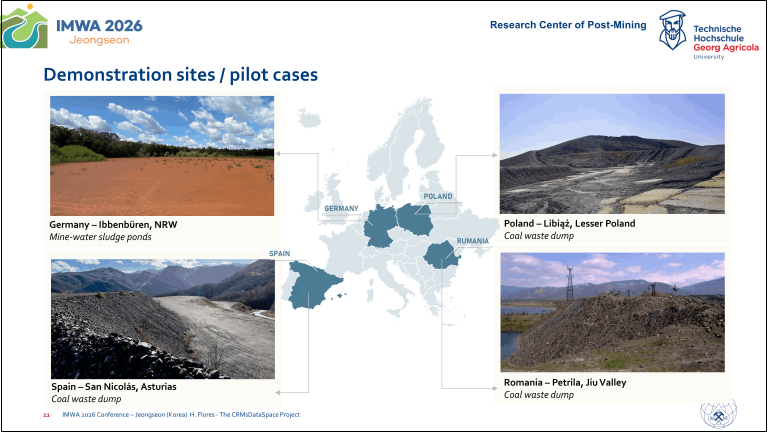
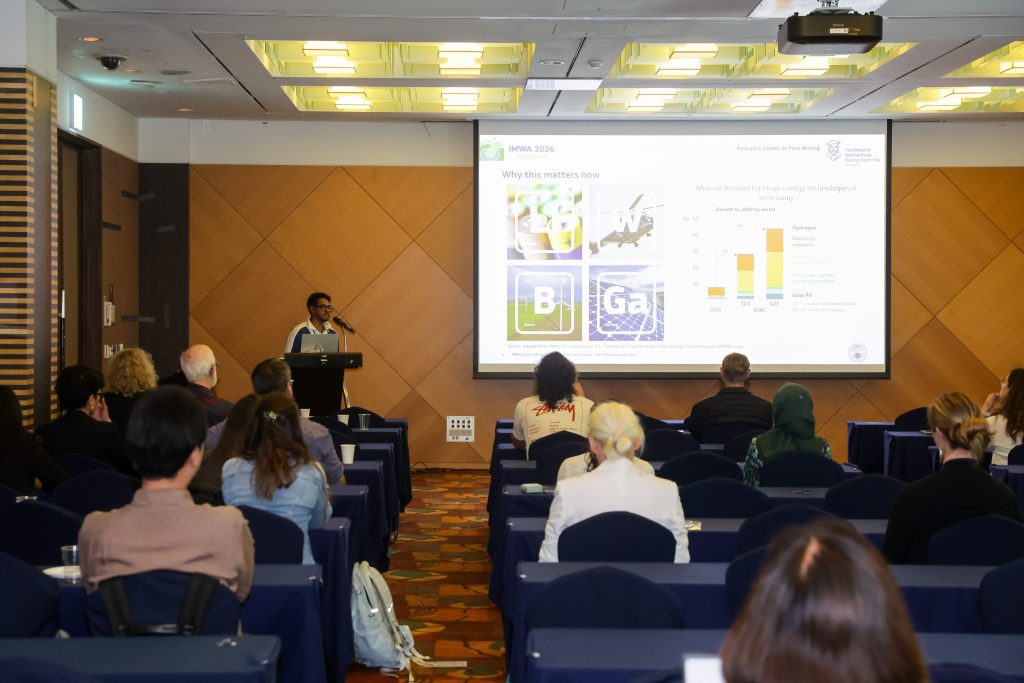
12.- CRMsDataSpace Project was presented at the International Mine Water Association (IMWA) 2026 Conference – Sustainability & Efficiency, during the session Circular Economy in Mine Waste and Water Management with the paper “Revalorization of Coal Waste Facilities: The CRMsDataSpace EU Approach” (Jeongseon, South Korea 5-10 July 2026).
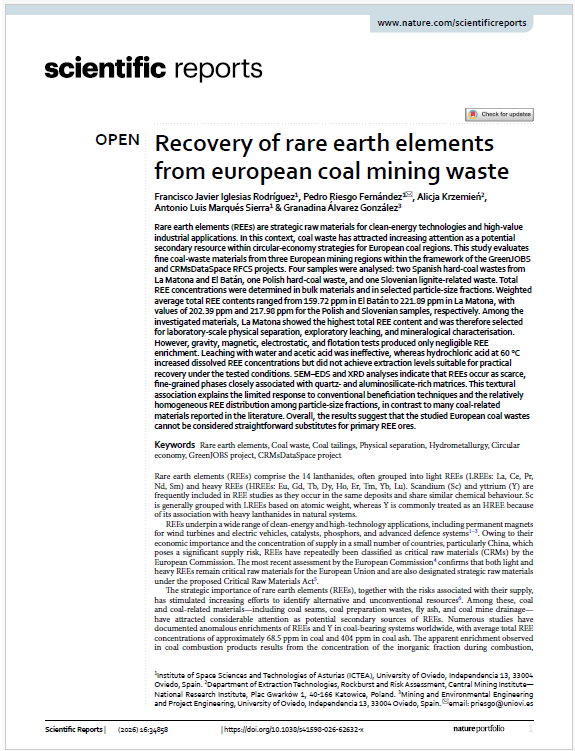
13.- First paper of CRMsDataSpace in Scientific Reports titled Recovery of rare earth elements from european coal mining waste (November, 2023).
14.- CRMsDataSpace Project was presented at the High-level RFCS Event “Clean Energy, Restored Lands: The Path Forward for Coal Regions” organised by EURACOAL, the European Commission’s Research Executive Agency (REA), and the European Commission’s Initiative for Coal Regions in Transition (CRiT) (Bochum, Germany, 29-30 September 2026).
Day 1 of the conference was funded by the EU under an Accompanying Measures project of the Research Fund for Coal and Steel under grant agreement no. 101295753.
Download the Agenda of the Event
This high-level event, held under the patronage of the state government of North Rhine-Westphalia, provided an opportunity to learn about some of the many projects supported by the Research Fund for Coal and Steel (RFCS) and to discuss how these fit with EU policy objectives. The fund is managed by the European Research Executive Agency (REA) on behalf of the European Commission Directorate-General for Research and Innovation (DG RTD). The two-day conference was co‑organised with the Coal Regions in Transition Initiative and brought important perspectives from the Directorate-General for Energy (DG ENER), the Directorate-General for Regional and Urban Policy (DG REGIO), and the Directorate-General for Environment (DG ENV) of the European Commission.
In his opening address, the Mayor of Bochum, Jörg Lukat, welcomed guests to the world-renowned German Mining Museum. Its iconic headframe, and underground workings were built so that visitors could experience mining. From a small agricultural town to a large industrial city, the history of Bochum was dominated by structural change, he observed, “it’s in our DNA”.
Martin Špolc, the recently appointed Director for Prosperity at the European Commission Directorate-General for Research and Innovation, thanked the hosts and commended the efforts of the RFCS and CRiT to bring together stakeholders with different backgrounds before outlining the ambitious policies of the EU, 75 years after the founding of its predecessor, the European Coal and Steel Community. The EU’s future cannot be based on fossil fuels, he said, and this fact needed to be embraced as part of the EU’s drive for strategic autonomy.
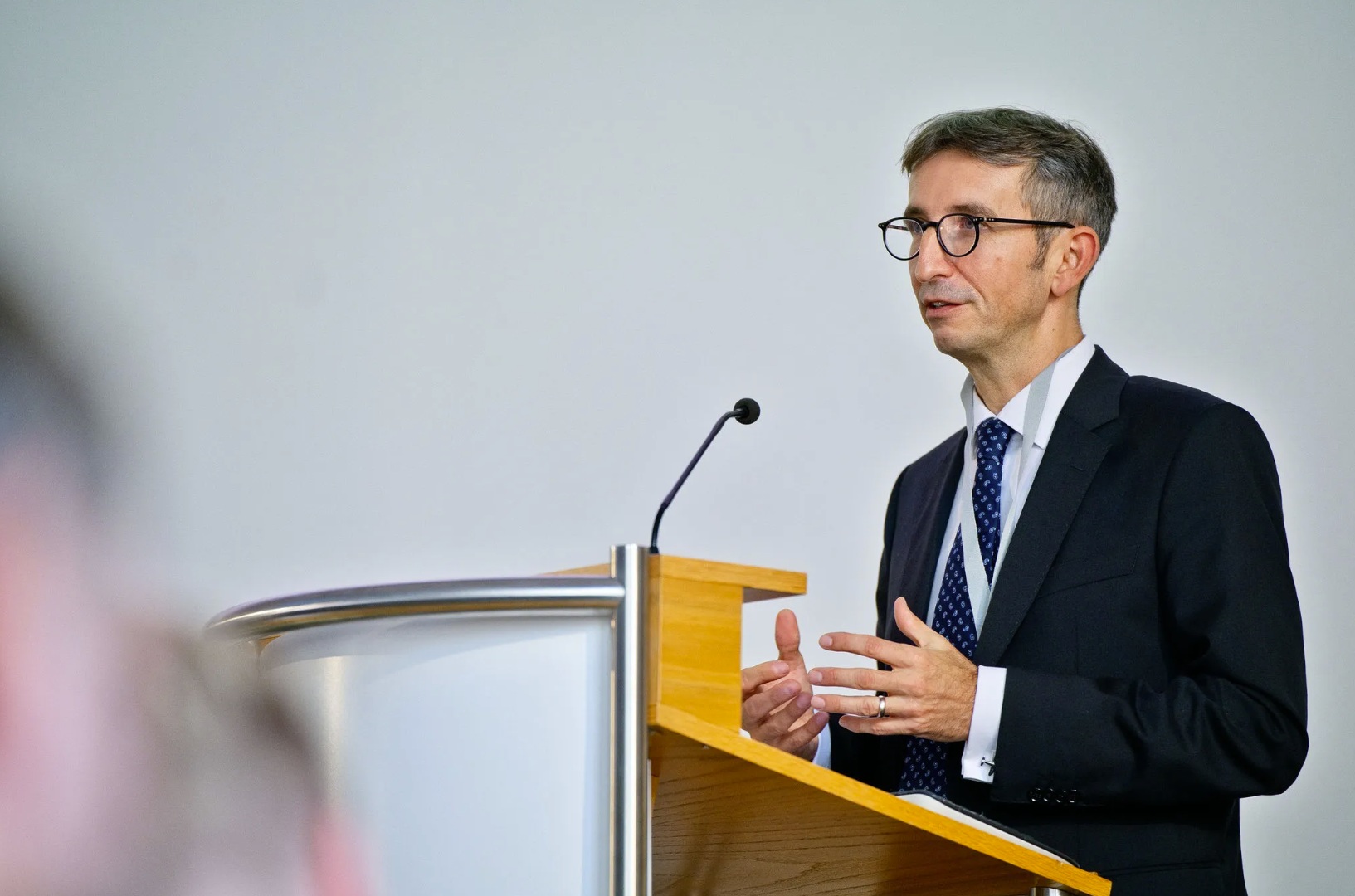
Dr Marian Zmarzły was appointed Undersecretary of State at the Polish Ministry of Energy in October 2025 after a career in the coal industry, including as a mine manager. He addressed the question of moving away from coal, noting that Poland would close three more mines in 2026. These and other actions by his government were in accordance with the Social Contract for the Mining Industry signed in May 2021 with trade unions that will see hard coal mining phased out by 2049. He said that the Polish government had notified the European Commission of its intentions and, in June 2026, provided details of the country’s energy mix to 2030 in an updated National Energy and Climate Plan. Referring to meetings at RAG AG and RAG Stiftung, Dr. Zmarzły was pleased to have had the opportunity to visit Germany where the first stage of energy transformation had already been completed.
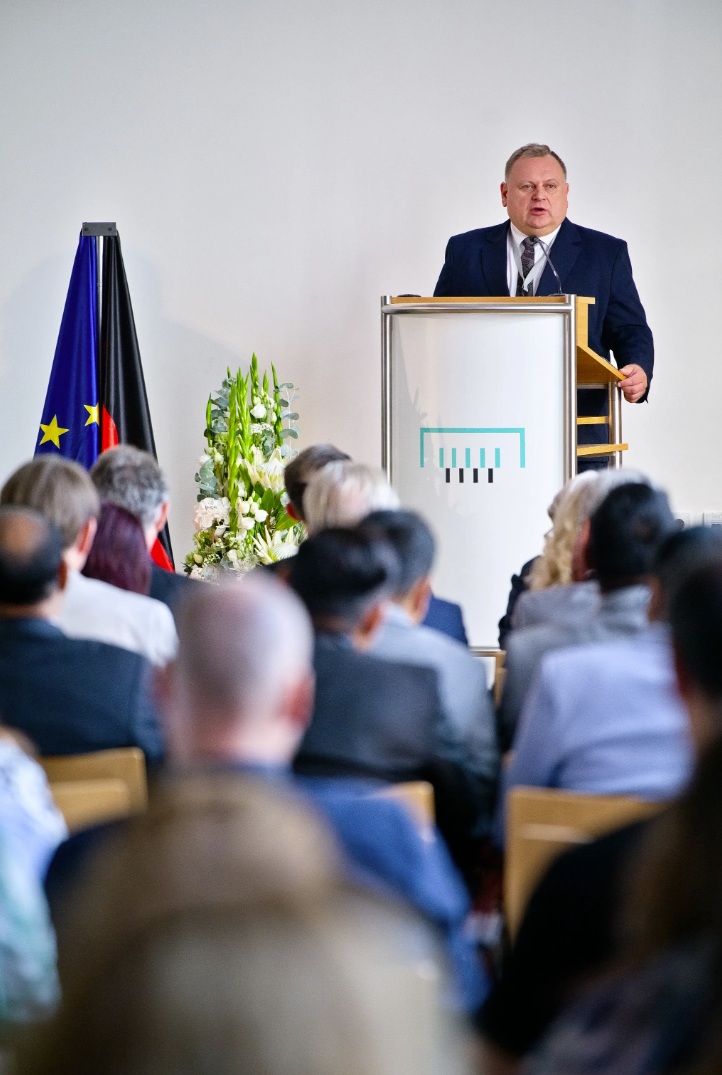
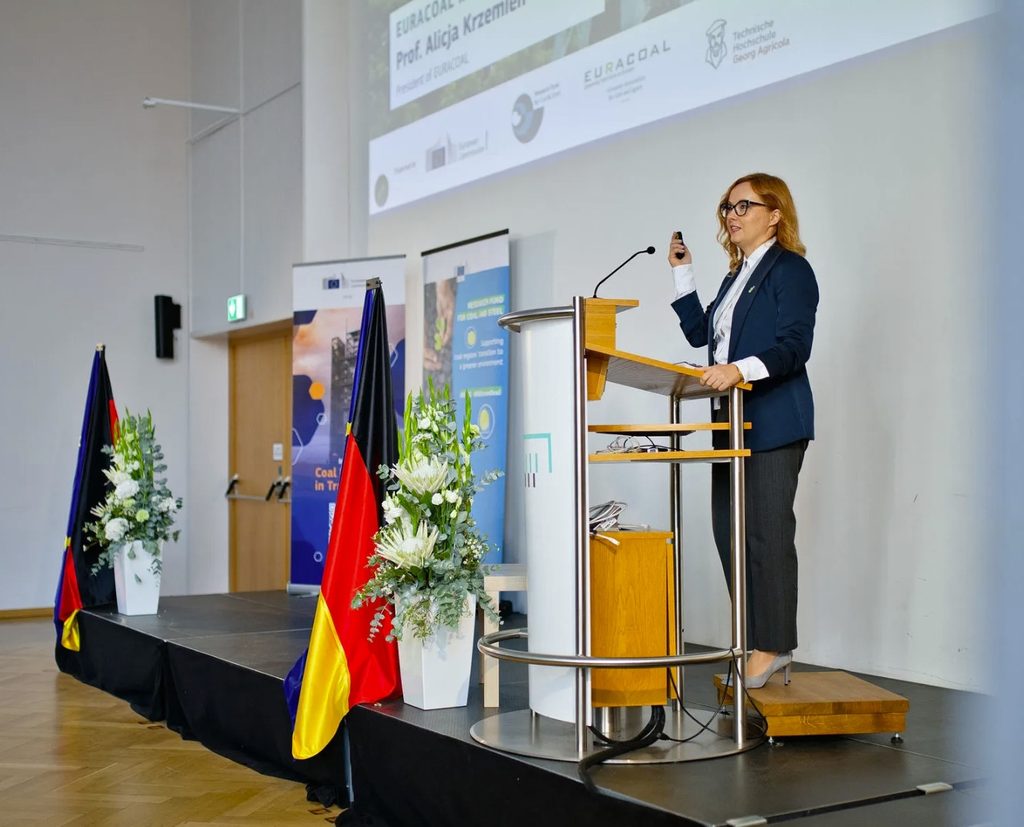
The European Association for Coal and Lignite (EURACOAL) was proud to have supported the event, said Prof. Alicja Krzemień in her welcoming remarks. As the association’s President since 2024, she explained the current situation of the coal industry in Europe where production was falling and would continue to fall 2038. In the EU, only Poland mined hard coal while Türkiye had overtaken Germany to become Europe’s largest coal importer, she added. Prof. Krzemień presented the genesis of the event which followed previous RFCS dissemination events held at the European Parliament in Brussels, at Oviedo in Spain hosted by HUNOSA, and at Jastrzębie-Zdrój in Poland hosted by JSW S.A.
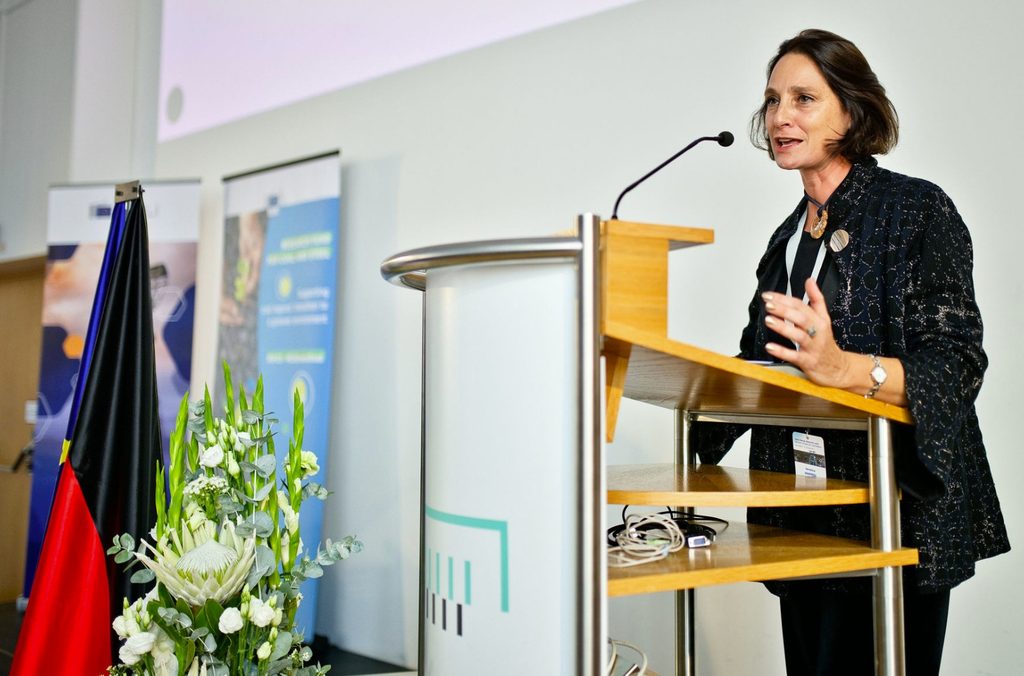
As Director for Zero Pollution, Water Resilience and Green Urban Transition at the European Commission Directorate-General for Environment, Veronica Manfredi shared an important policy perspective. She began with praise for State Secretary Krebs’ advice on flexible planning and highlighted the presence of four Commission services who viewed the wonderful Ruhr region as a critical incubator for EU goals on energy security, strategic autonomy in critical raw materials, and clean transition.
Just as decisive, she said, was water resilience, citing the many uses of water that must all become more sustainable. After “a summer of truth”, all member states faced water scarcity issues, she remarked. Ms. Manfredi noted that her Commissioner, Jessika Roswall, was responsible for environment, water resilience and a competitive circular economy – the first Commissioner to have “water” in her title. With the adoption of the Water Resilience Strategy in June 2025, she said the Commission sought better implementation of the existing EU acquis, pointing to the bespoke guidance on implementing the Water Framework Directive published in May 2026. She announced that Germany would sign a political declaration with Commissioner Roswall on 5 October 2026 to step up its own water resilience.
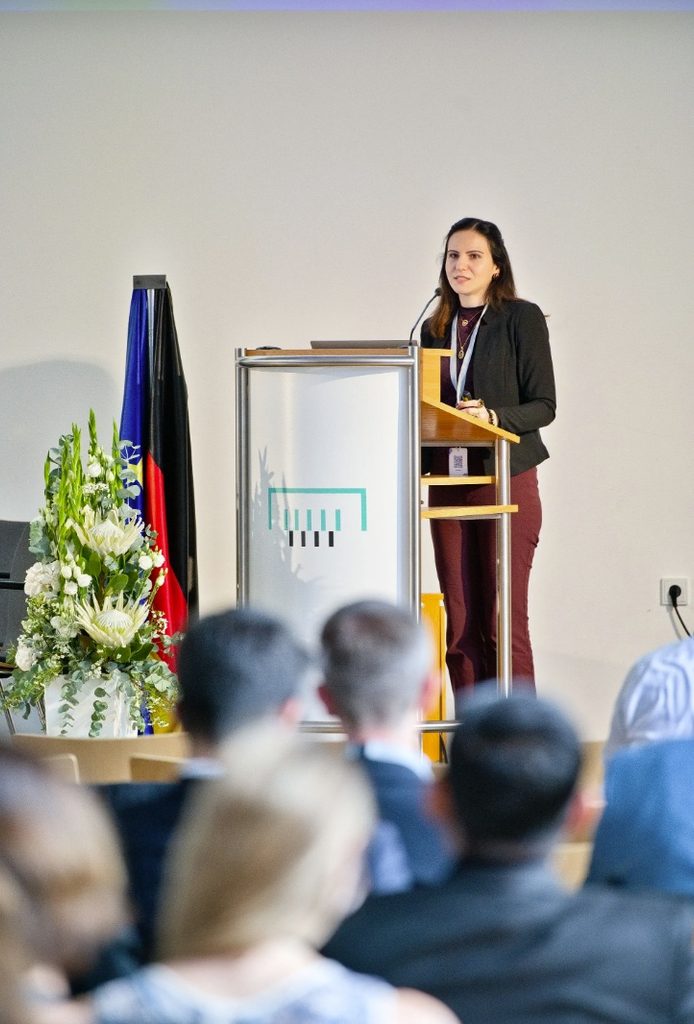
Dr Julia Haske, Head of Land Use & Transition at the Research Center of Post-Mining in the Technische Hochschule Georg Agricola (DMT-THGA) presented two projects, beginning with POTENTIALS on the opportunities for end-of-life coal mines and coal-fired power plants. This RFCS accompanying measure project identified the potential synergies between former mine sites and neighbouring industry, building business models that capitalise on the available energy assets and create new jobs. An example Eco Industrial Park (EIP) was used as a tool to engage with stakeholders and to prepare best-practice guidelines that can be used by the coal regions when developing their Territorial Just Transition Plans for submission to the European Commission.
Turning to the new CRMsDataSpace project, Dr. Haske explained that it would develop technical guidelines and a demonstrator for assessing the potential of critical raw materials recovery at disused mine sites – the first European data space or catalogue for CRMs, integrating metadata, multimedia and analytical tools in line with the EU Critical Raw Materials Act.
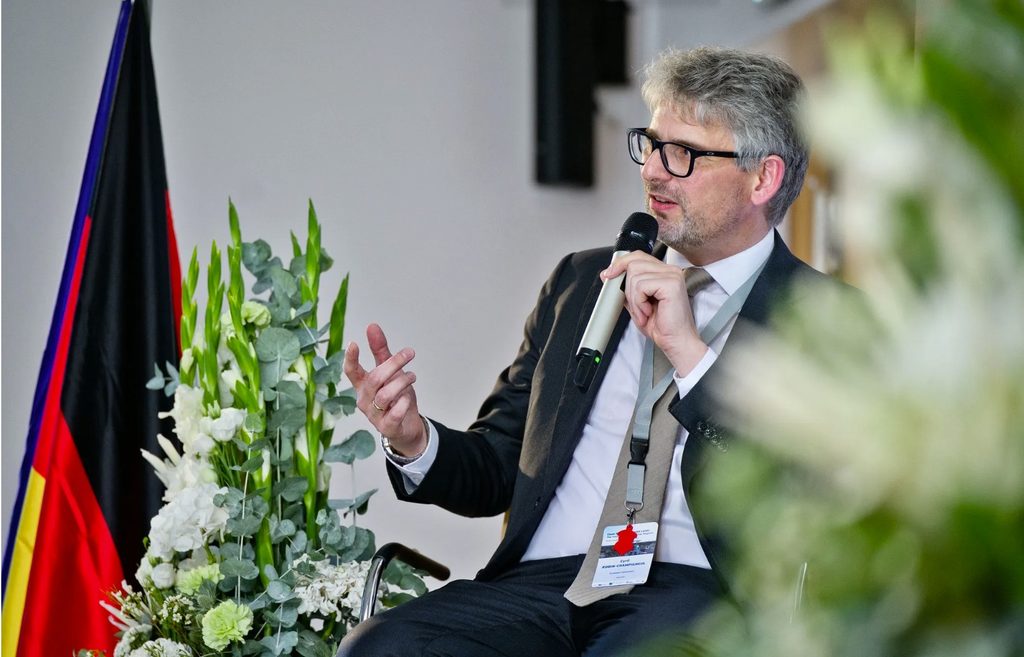
From the European Commission, Mr. Cyril Robin-Champigneul, Deputy Head of Unit for Industrial Transformation at DG Research and Innovation, outlined the recent reform of the Research Fund for Coal and Steel (RFCS) which was adopted by the Council of the EU in June 2026 following solid support in the European Parliament and would see the research programme continue until 2034 when the last contracts would be placed to fully use the assets which were currently just below one billion euros. He said an evolution of the work programme was in preparation, covering the first two years after reform (2027-2028).
Alejandro Ulzurrun, Acting Director for Directorate B – Just Transition, Consumers, Efficiency and Innovation at DG Energy, thanked all those involved with the dissemination event and helping to drive clean transition in the coal regions. Mr. Ulzurrun was struck by the diversity of research projects presented – a great strength – and was keen to link this research with new opportunities. He gave participants a taster of what to expect during the second day of the conference which would focus on the boundary between research and delivery of commercial projects. He stressed the need to turn innovative ideas into concrete projects – a key aim of the CRiT initiative and one that can be accelerated though the interactions it facilitates. Finally, he was looking forward to the site visits to see at firsthand how transformation in the coal regions was progressing on the ground.
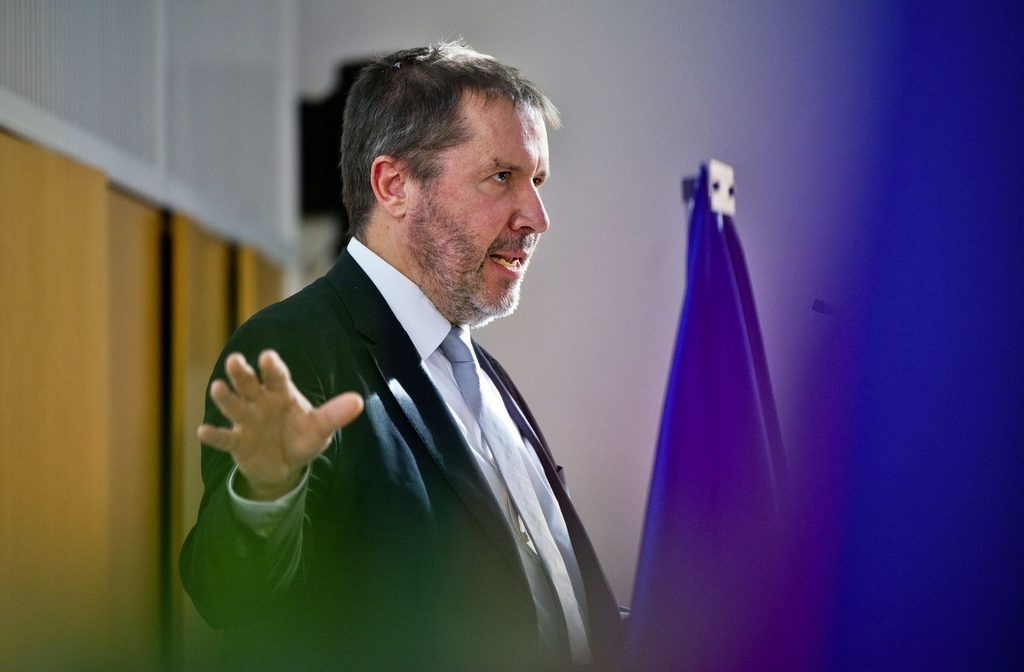
Head of Unit for Future Low Emission Industries at the European Research Executive Agency and responsible since 2021 for implementing the RFCS research programme, Dr. Sebastiano Fumero concluded the first day with news on recent calls. He reminded participants that the RFCS roots lay at the very heart of the European project, and their joint efforts had kept the flame alive. On a visit to the European Parliament, he had seen posters from the early days of the union, when it was known as the European Coal and Steel Community. Some newspaper headlines from 1952 were sceptical about combining such strategic industries, but they succeeded and he was proud of the result.
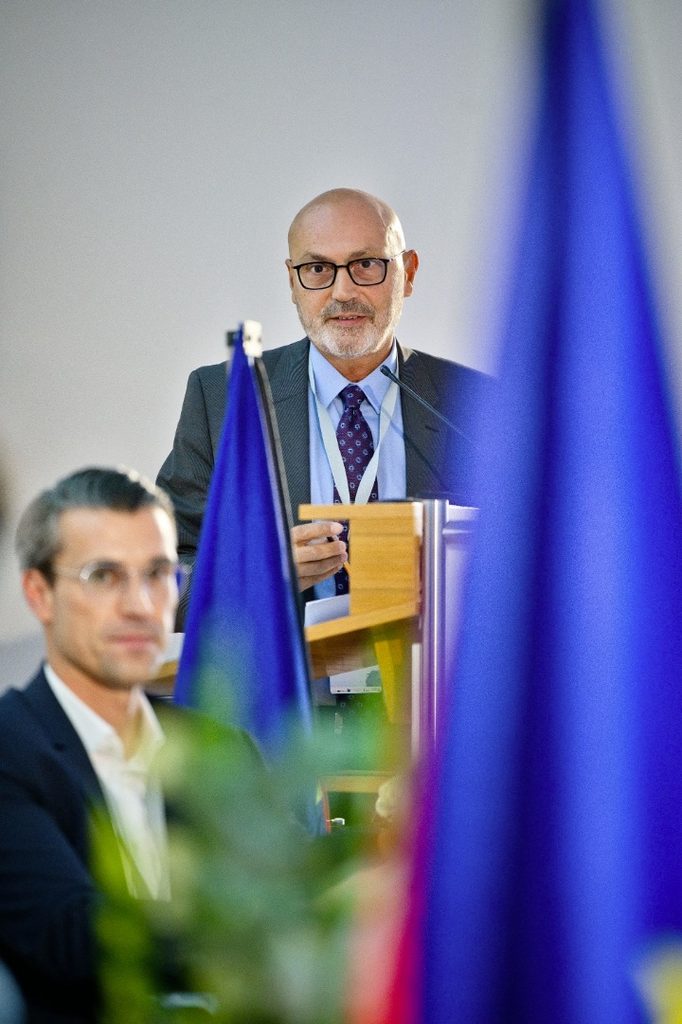
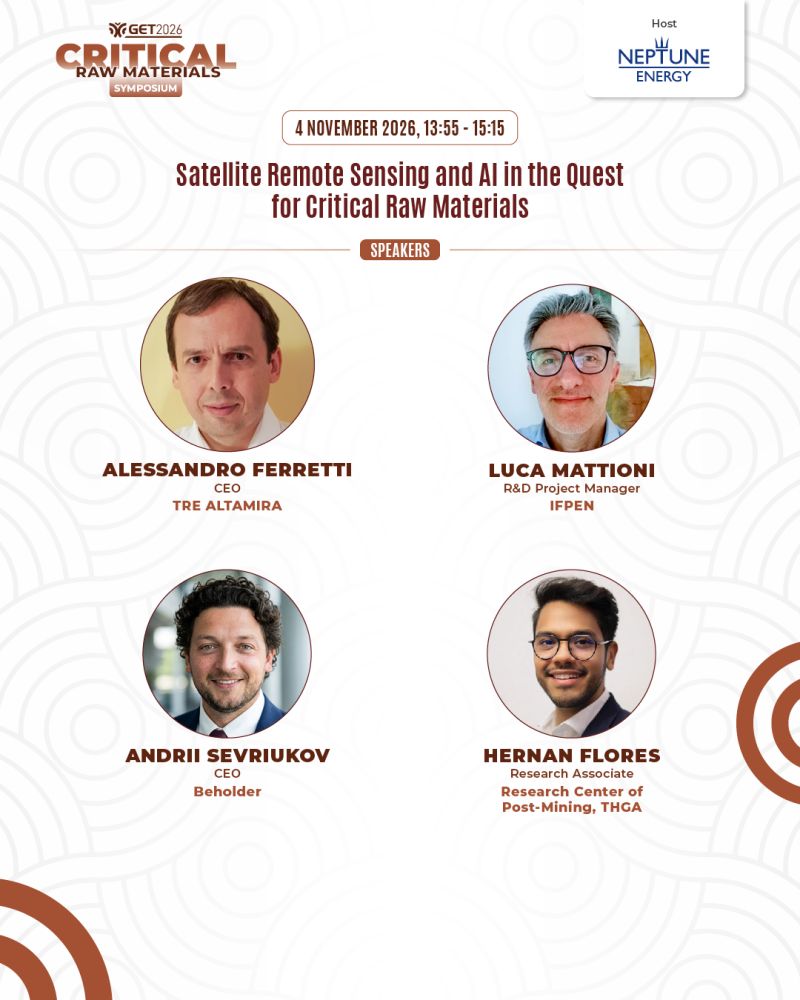
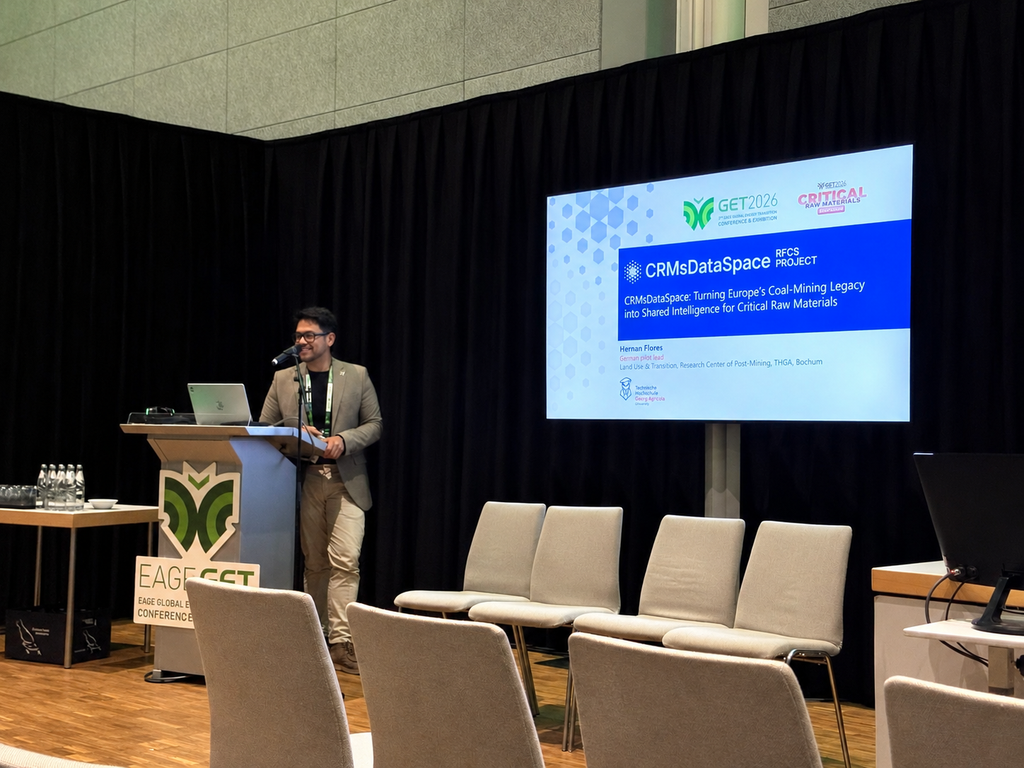
15.- CRMsDataSpace Project was presented at the EAGE GET Critical Raw Materials Symposium, during the session Satellite Remote Sensing and AI in the Quest for Critical Raw Materials with the paper “CRMsDataSpace: Turning Europe’s Coal-Mining Legacy into Shared Intelligence for Critical Raw Materials” (Hannover, Germany, 2-6 November 2026).
Download the Extended Abstract